

Category: Blog
-

What Nevada’s Extreme Heat Does to Commercial Roofing Membranes
Nevada’s extreme heat degrades commercial roofing membranes faster than most property managers expect. Here’s what the damage looks like and why it happens.
-

How Nevada’s Monsoon Season Causes Commercial Roof Storm Damage
Commercial roof storm damage from Nevada’s monsoon season hits fast and hard. Know what to inspect before July to protect your building.
-
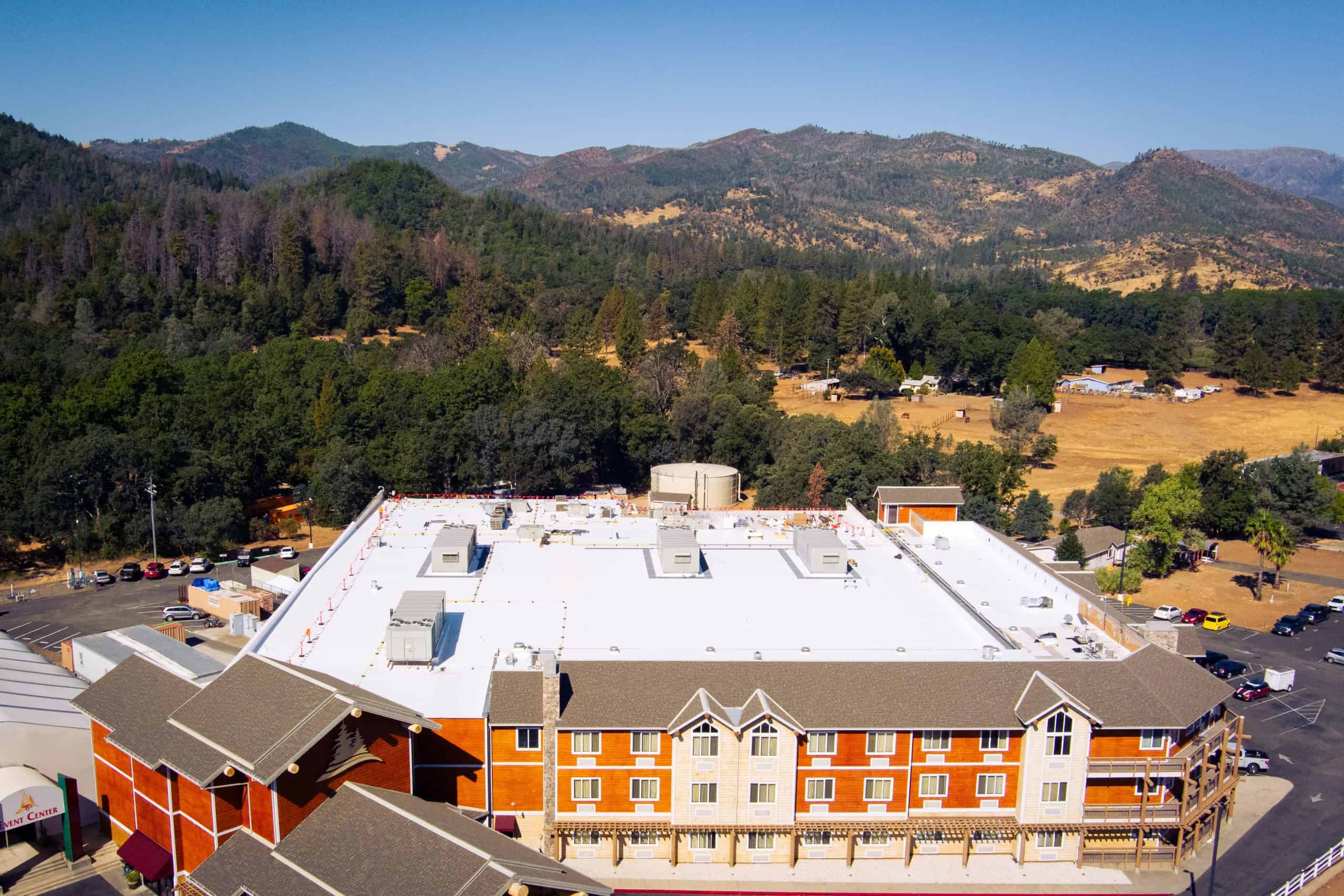
Commercial Roof Maintenance in California: Steps for the Heat Season
Choosing between waterproofing injection and exterior waterproofing comes down to four factors. Here is how to evaluate which method fits your building.
-
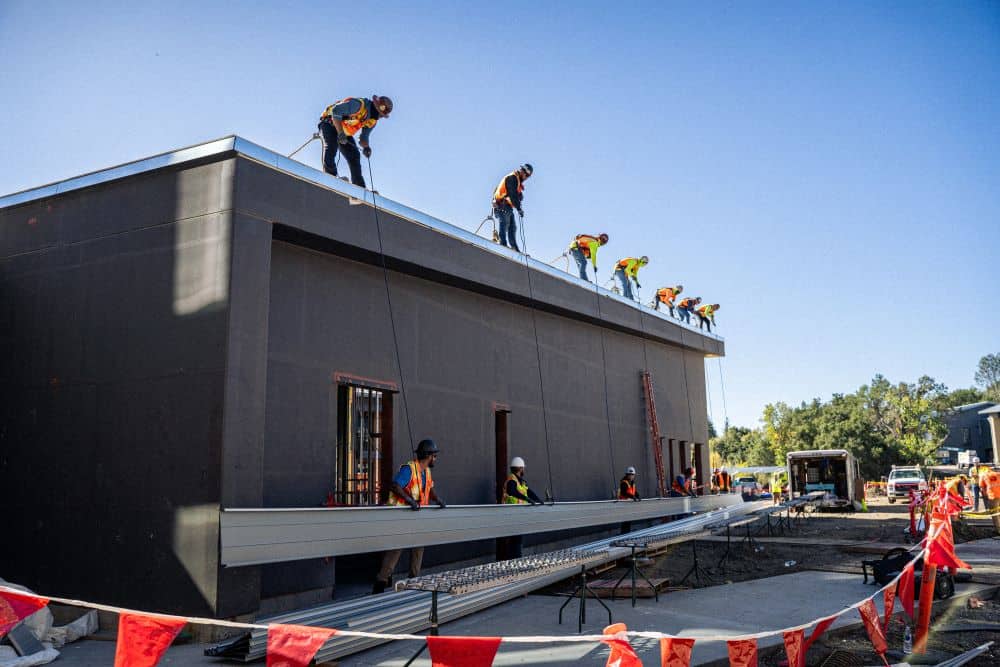
Waterproofing Injection vs. Exterior Waterproofing: Which Is Better?
Learn what injection waterproofing is, when to use it, and why it stops water intrusion where surface coatings fail.
-
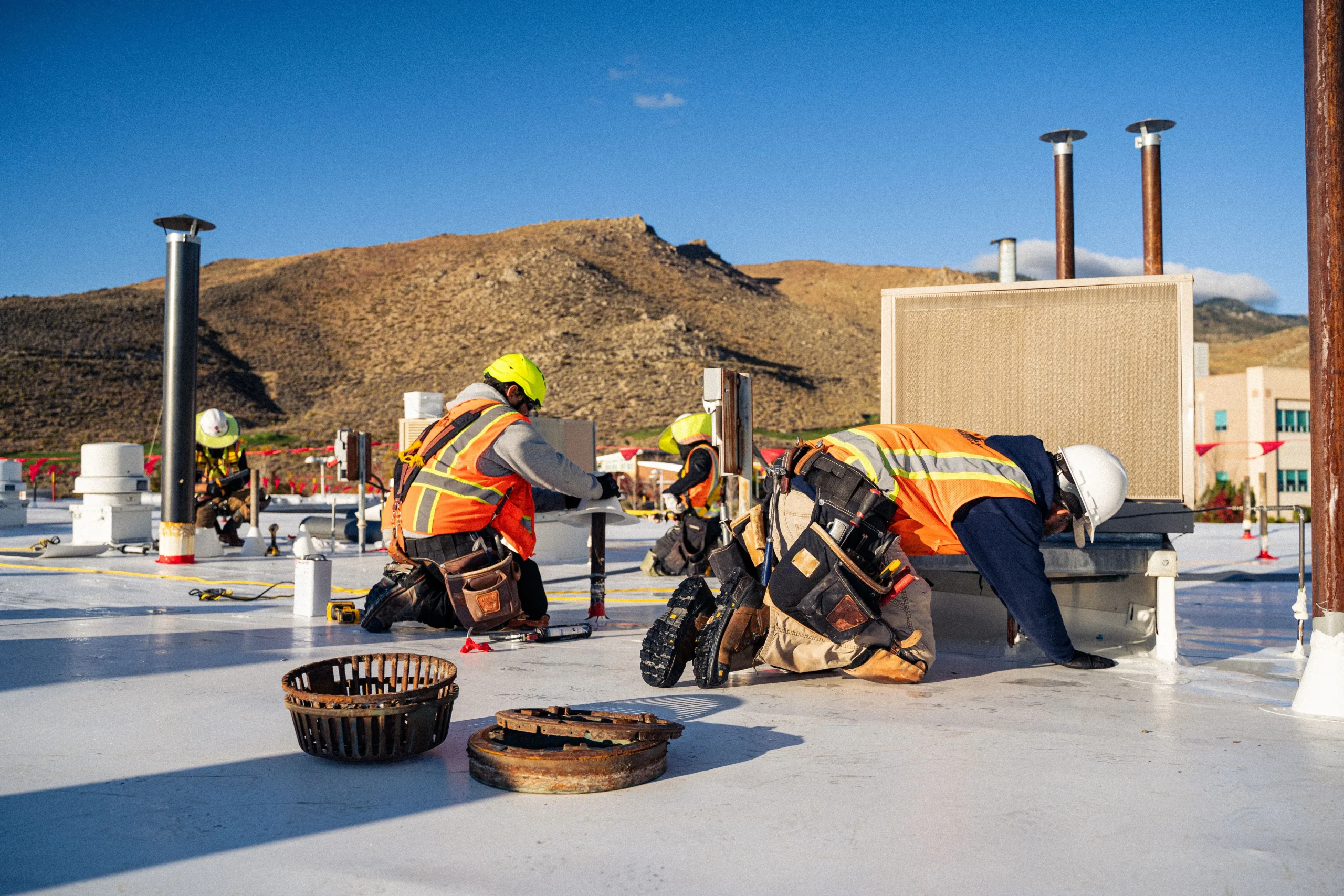
Commercial Injection Waterproofing: What It Is and When You Need It
Learn what injection waterproofing is, when to use it, and why it stops water intrusion where surface coatings fail.
-
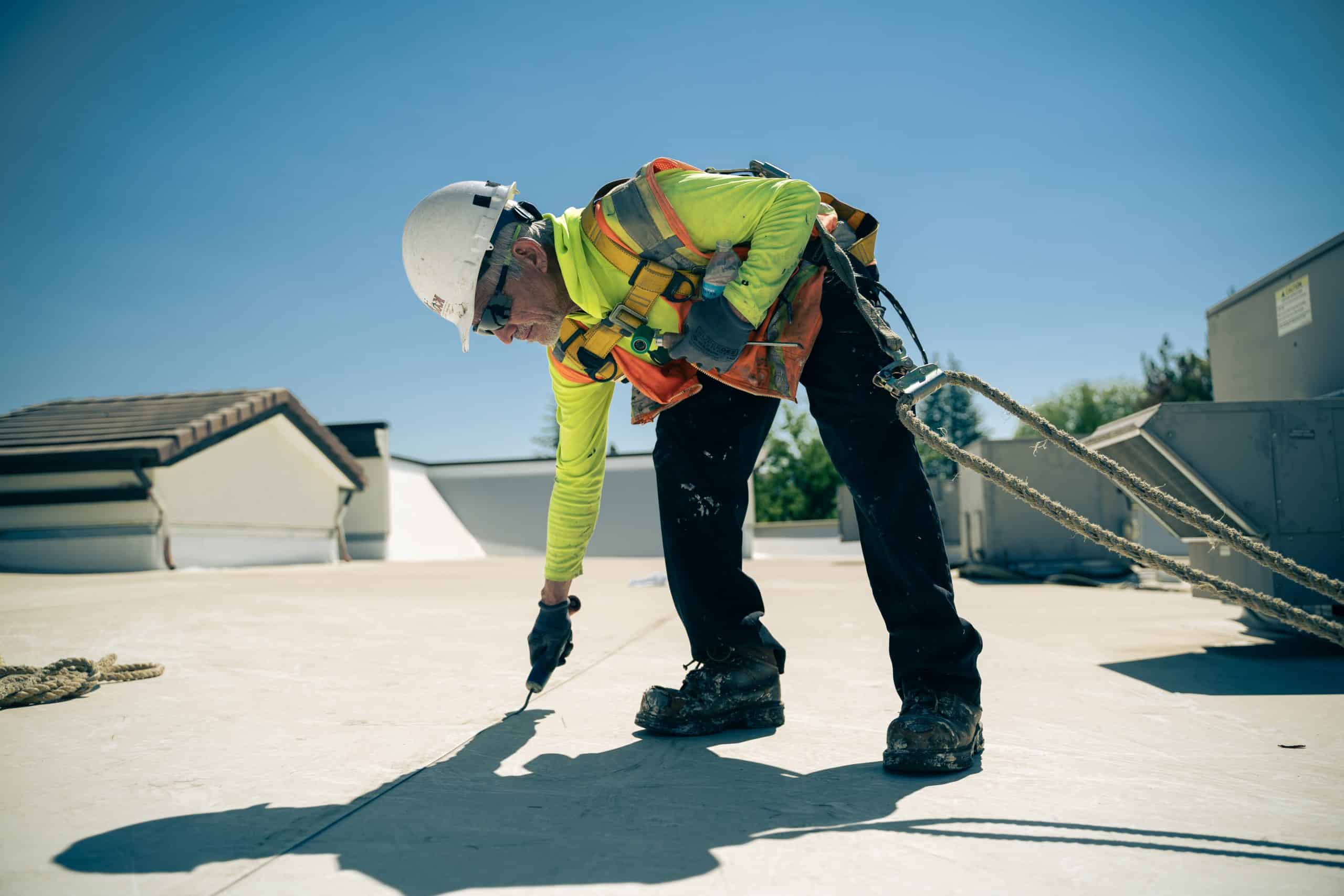
5 Common Building Issues Solved by Commercial Waterproofing Injection
Commercial waterproofing injection solves the problems that surface patches keep failing to fix. See five issues it resolves and what ignoring them costs.
-
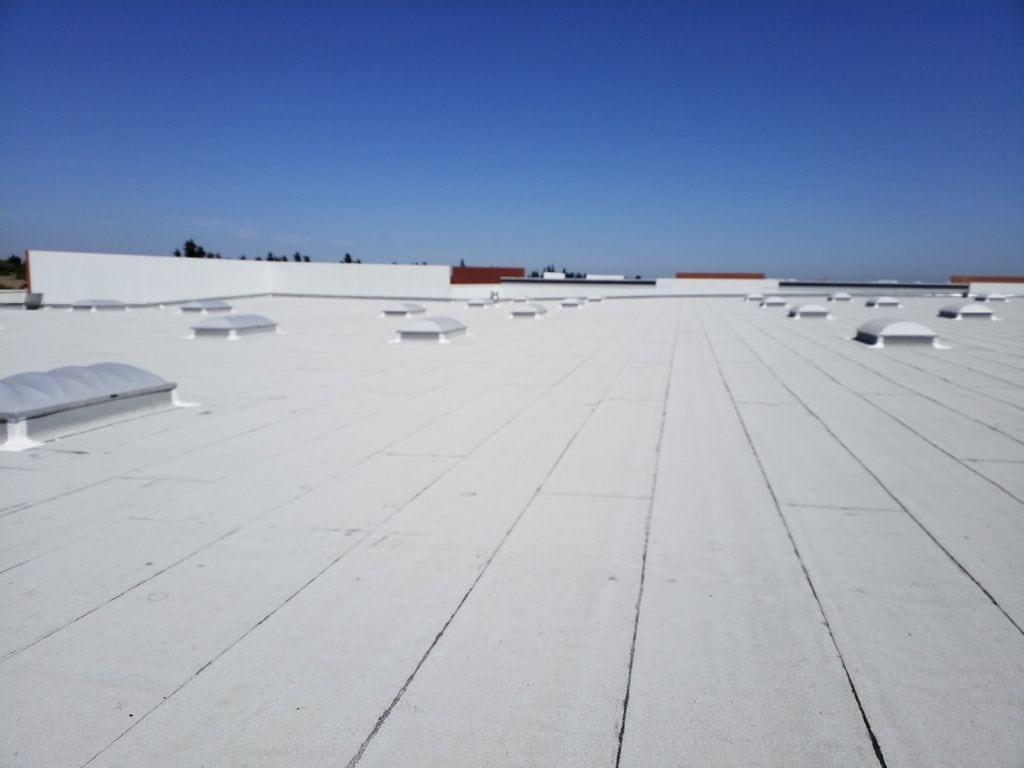
The ROI of Energy-Efficient Roofing Systems: A Guide for Commercial Property Managers
Learn how energy efficient roofing systems deliver ROI through lower utility costs, extended roof life, and smarter capital planning decisions.
-
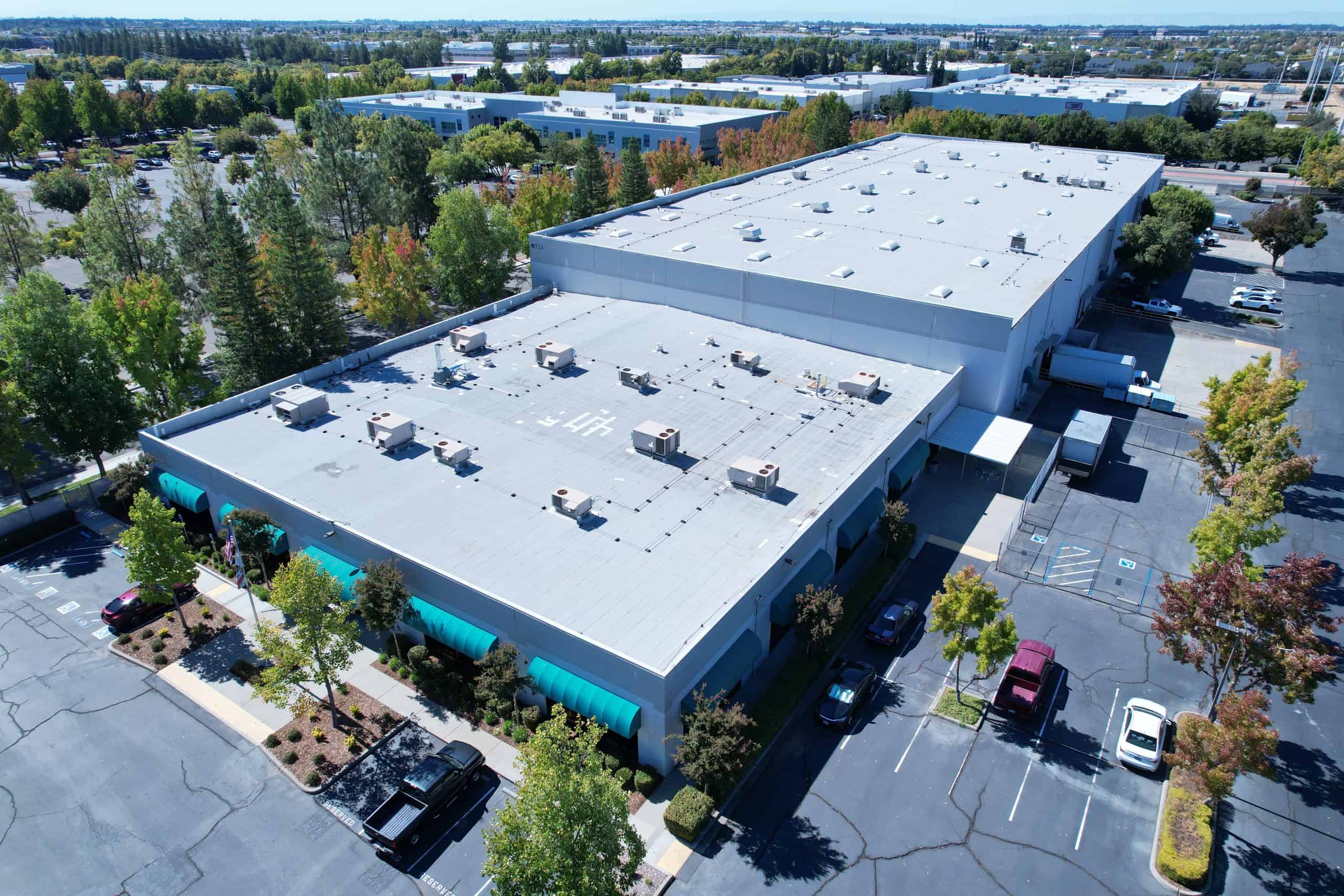
A Property Manager’s Guide to Evaluating Energy-Efficient Roofing Systems
Learn how to evaluate energy-efficient roofing, spot inefficiencies, and improve building performance to lower commercial energy costs.
-
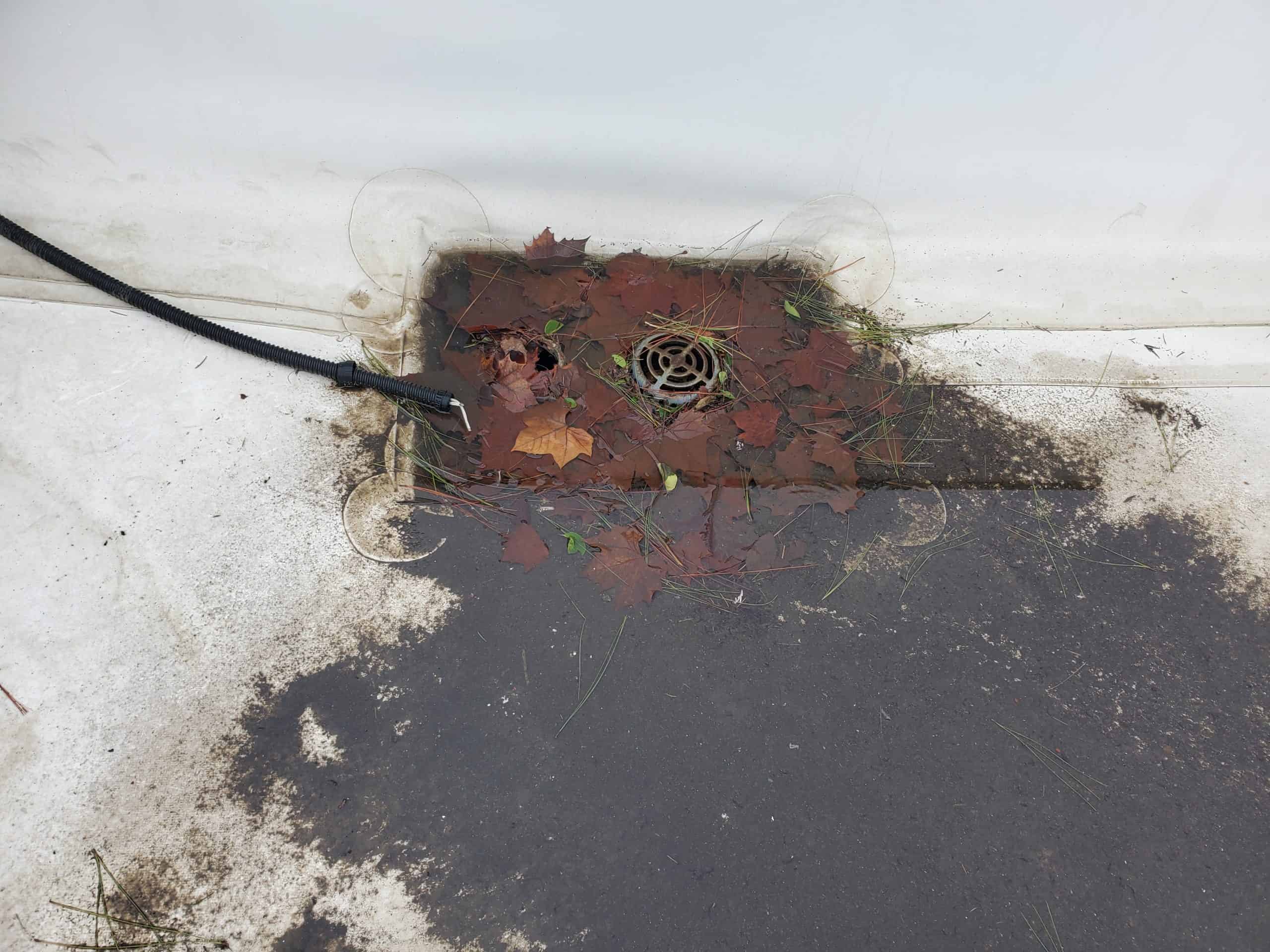
How to Prevent Water Damage Before It Strikes: A Spring Commercial Roof Drainage Checklist
Protect your property this spring with a commercial roof drainage checklist that helps catch early warning signs before water damage spreads.
-
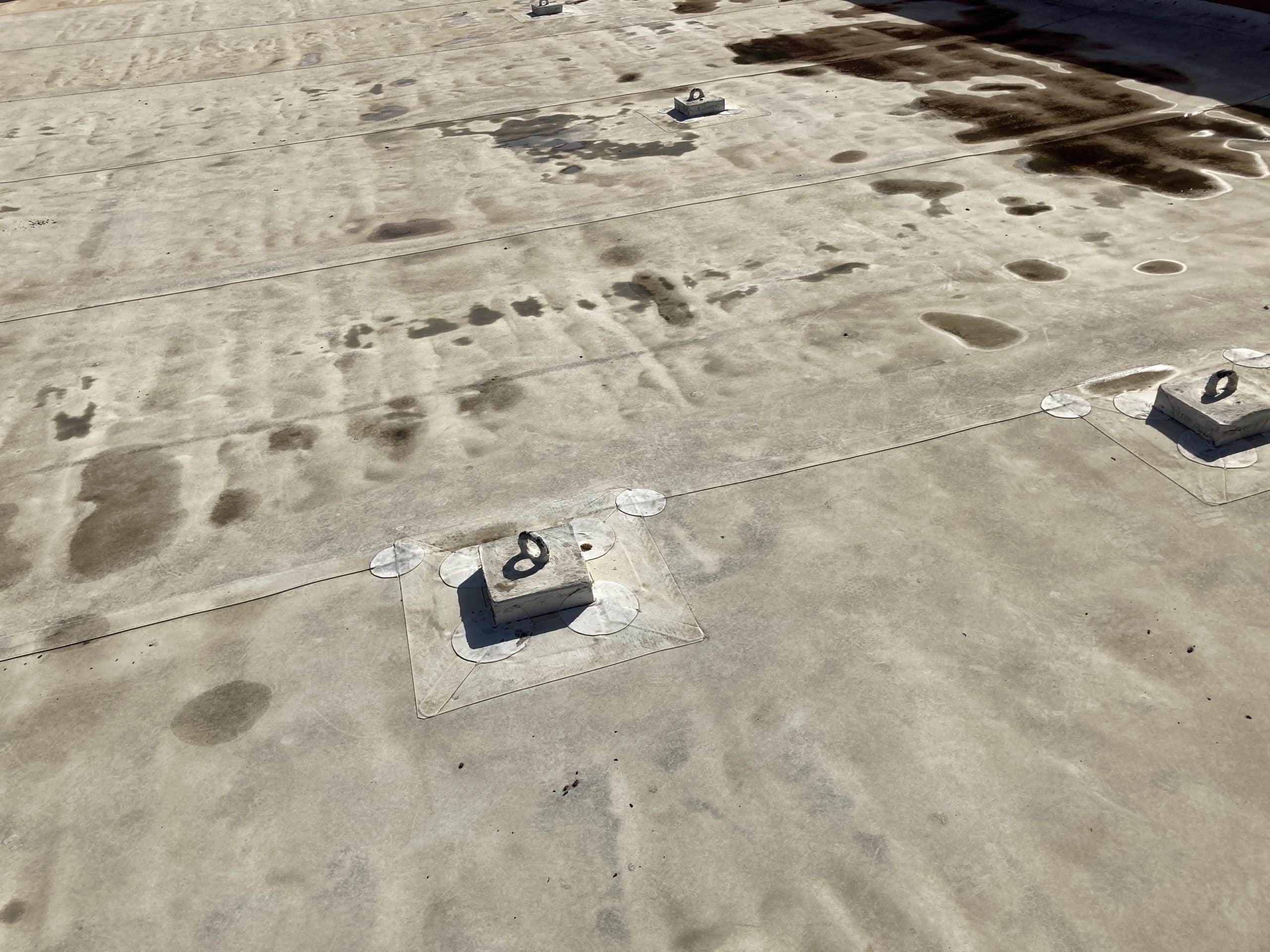
Top Spring Roofing Challenges Nevada Property Managers Need to Watch For
Learn the top spring roofing challenges Nevada property managers should watch for to catch roof issues early and avoid costly repairs.